When a new school year rolls around, the buzz is usually about lunch menus and hallway fashion. For many autistic girls, the real buzz is about how safe and inclusive the environment will feel. “Early school safety protocols” aren’t just a fancy phrase—they’re a lifeline that can turn a chaotic day into a smooth, predictable routine. In this article we’ll explore why these protocols matter, what they look like in practice, and how schools can roll them out without turning the whole campus into a maze of red tape.
Why Early School Safety Protocols Matter for Autistic Girls
Imagine stepping into a room where every light flickers, every conversation is a barrage of noise, and the only predictable thing is the chaos. That’s the reality for many autistic girls who enter school each morning. Early school safety protocols aim to reduce that unpredictability, creating a sense of security that lets them focus on learning instead of survival.
Sensory Sensitivities and Classroom Challenges
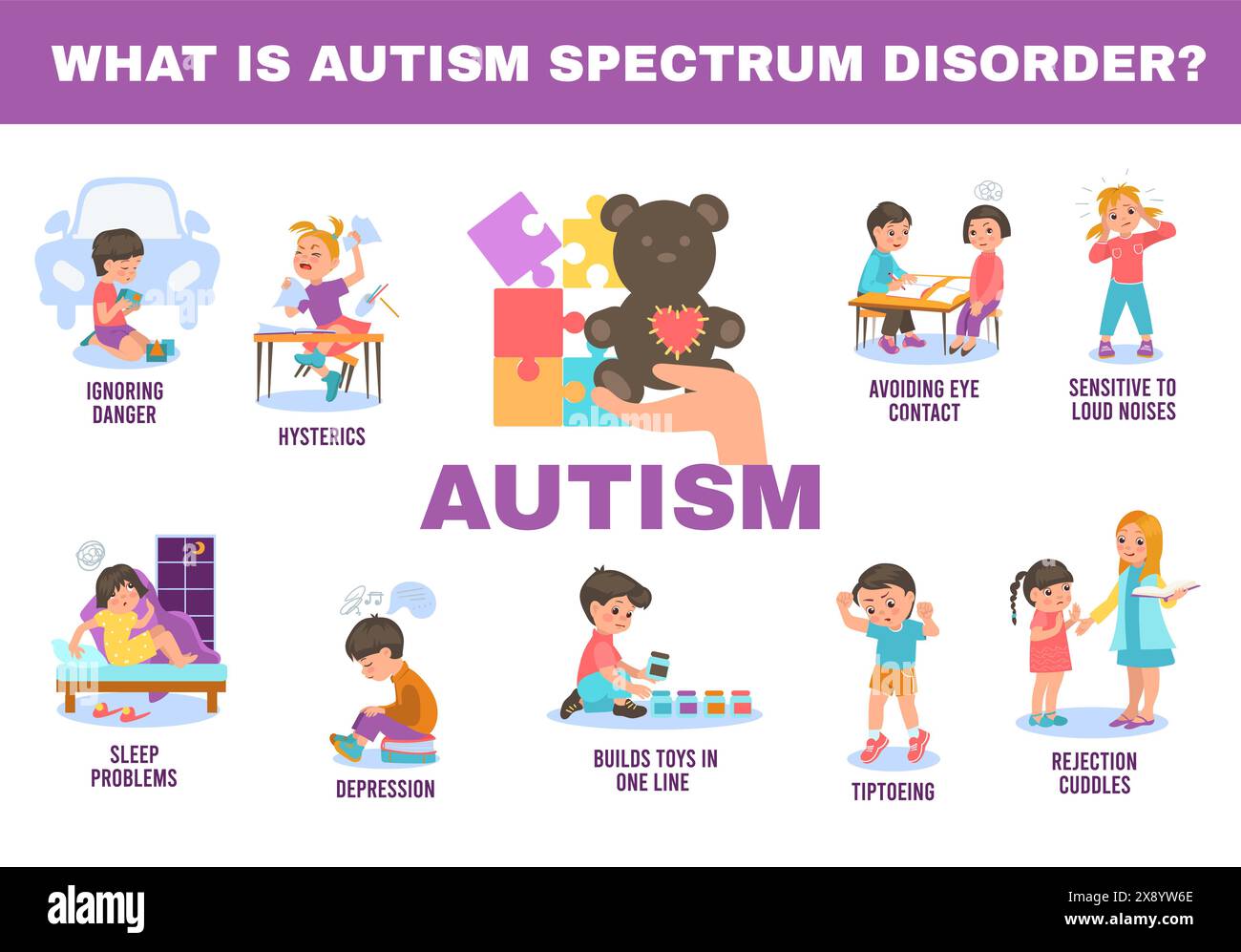
Autistic girls often experience heightened sensory processing. A fluorescent bulb that’s “just fine” for most can feel like a spotlight on a stage. A sudden announcement over the PA system can trigger a full-blown sensory overload. By mapping out sensory hotspots and providing alternative spaces—think a quiet corner with dim lighting or noise‑cancelling Genetic factors headphones—schools can turn the classroom into a sanctuary rather than a storm.
Social Dynamics and Bullying Risks
Social interactions can be a minefield. Misinterpretations of body language or tone can lead to exclusion or outright bullying. Early protocols that incorporate social skills training, peer buddy systems, and clear anti‑bullying policies give autistic girls a safety net. When teachers and classmates understand the nuances of social cues, the risk of miscommunication shrinks dramatically.
Core Elements of Effective Safety Protocols
Crafting a robust safety protocol isn’t about adding more rules; it’s about adding the right rules. Below are the pillars that make a protocol both comprehensive and workable.
Personalized Learning Plans
Every student is a unique puzzle piece. A personalized learning plan (PLP) tailors academic expectations, sensory accommodations, and social supports to the individual. The PLP should be a living document, reviewed at least twice a year, and updated whenever a new challenge or strength emerges.
Staff Training and Awareness
Teachers, aides, and administrators need more than a cursory “be aware” checkbox. Training should include:
- Sensory Integration Techniques: How to recognize and respond to overload. De‑escalation Strategies: Simple, non‑confrontational steps to calm a student in distress. Communication Best Practices: Using clear, concise language and visual supports.
Safe Space Design
A safe space isn’t just a room; it’s a philosophy. Design elements that work well include:
- Soft, neutral color palettes Low‑light zones Accessible sensory tools (fidget toys, weighted blankets) Clear, unobstructed exits
Implementing Protocols: Step‑by‑Step
Having the right components is only half the battle. Implementation turns theory into practice.
Assessment and Data Collection
Start with a baseline assessment. Gather data on:
- Sensory triggers Social interaction patterns Academic performance gaps
Use this data to inform the PLP and safety protocols.
Collaboration with Parents and Specialists
Parents are the first line of insight. Specialists—such as occupational therapists or school psychologists—can provide evidence‑based strategies. Regular check‑ins ensure everyone is on the same page.
Continuous Monitoring and Feedback
Safety protocols should evolve. Set up a quarterly review cycle where teachers, parents, and students can share what’s working and what’s not. This feedback loop keeps the protocol dynamic and responsive.
Real‑World Example: A Classroom Transformation
Take the story of Maya, a 10‑year‑old autistic girl who struggled with cafeteria noise and group projects. Her school introduced a “Quiet Corner” and paired her with a peer buddy for group tasks. Within three months, Maya’s grades in social studies improved by 25%, and she reported feeling “like I’m in my own bubble of calm.” As Maya’s teacher noted, “When we give her the tools to navigate her environment, she can finally focus on the lesson.” This anecdote underscores that thoughtful protocols can turn a student’s day from a rollercoaster into a smooth ride.
Tips for Schools to Stay Ahead
- Create a Sensory Audit Checklist: Walk through each classroom and note potential triggers. Offer Professional Development Credits: Encourage staff to attend sensory integration workshops. Establish a “Buddy System” Calendar: Pair students in a rotating schedule to foster peer support. Use Technology Wisely: Apps that provide visual schedules can reduce anxiety. Celebrate Successes Publicly: Recognize improvements in student confidence and academic performance.
The Final Piece of the Puzzle
When schools weave early school safety protocols into their fabric, they do more than protect autistic girls—they elevate the entire learning environment. By acknowledging sensory needs, fostering social inclusion, and empowering staff with the right tools, we create classrooms that are not just safe, but genuinely welcoming. The Check out here next time you walk into a school hallway, imagine the quiet, confident steps of a student who knows exactly where she belongs. That vision isn’t just a dream; it’s a protocol in action.